
Department of Electronics & Communication Engineering
Advancing foundational engineering, computing systems, and indigenous technology solutions. Nurturing globally competitive engineers, applied researchers, and technology innovators from the heart of Bodoland.
Department Quick Jumps
About & Vision Programmes & Curricula Faculty & Researchers Instructional LabsAbout the Department
Welcome to the department of Electronics & Communication Engineering (ECE). 2006 is the year when Diploma in Electronics & Telecommunication Engineering got started with full capacity followed by the B.Tech module in 2009. It has produced many technocrats working in the top notch industry and academics as well. The department has highly qualified and accomplished faculty with a dedicated teaching and research skills well supported by the several Laboratories to enable the students to step up and excel in the core sectors, our alumni are a testament to this fact. The Department is always in active collaboration with industries for curricular design, student internships and major project works, hands-on training/ workshops on latest trends involving both hardware/ software. Now the department offers Diploma, B.Tech, Ph.D under the aegis of Deemed to be university. It has ten faculties who are specialized in various fields such as VLSI Circuit design, analog and RF circuits, microwave photonics, micro-strip antennas, medical image processing, machine learning, 5G communication systems, quantum computing to name a few.
This field of engineering has seen a tremendous growth since the Second World War; with solid state electronic devices influencing every sphere of human life. The computing, communication and integration technology has matured to a level so as to make 4th industrial revolution possible. It allows the large volumes of information gathered from several sectors impacting the human life, needs to be processed, stored, communicated, and presented in real time. The miniaturization of computing and communication systems has not only made the smart phone as a common platform for ease in computing, it has also been exploited to improve the health care sector through implantable electronics.
The branch of ECE focuses on the study of several core areas such as VLSI, signal processing, and communication systems, sensor design & development. The area of VLSI deals with the design and manufacturing of miniaturized electronic chips with circuits that can contain up to 100’s of lakhs of transistors over a few millimeter square area. The technology that makes such chips feasible has evolved over time to make the entire computing, processing, and communication, storage smartly built as a complete system on a chip (SoC). The area of signal processing deals with the algorithms and techniques for analysis and synthesis of several types of signals such as text, voice, image, video, sensor data, etc. acquired from the external world across the applications. With the deployment of high-performance computing systems, novel machine learning methods such a deep learning can ease the task of passive computing and hence open numerous doors to each domain. The mobile communication standard has been evolving from 4G to 5G and subsequently to 6G in order to accommodate services for almost all the sectors which the need for higher bandwidth for every one of us. This demand is taken care with highly integrable antenna technologies, radars, protocols with high data rate etc. The sensors are an integral part of modern electronic systems, which help in acquiring real time sensitive information with absolute accuracy. The skills and technical knowledge gathered with the several programmes offered in area of electronics and communication systems lead to job / research opportunities in defense, space, automobiles, medical, telecom etc. Highly motivated and sincere students are welcome to pursue their diploma, graduate and Ph.D programme.
To be recognized as a premier seat of technical education, generating transformative research and ethical engineers who empower society.
Imparting robust fundamental and applied engineering through industry-relevant curricula, hands-on laboratories, and social responsibility.

Dr. Bornali Bora Patowary
Assistant Professor
Dept. of Electronics & Communication Engineering
bb.patowary@cit.ac.in
Department of Electronics & Communication Engineering
Academic Complex-2, Central Institute of Technology Kokrajhar
Bodoland Territorial Region, Assam - 783370, India
office_ece@cit.ac.in
Programmes Offered
Modular, AICTE-approved curricula aligned with the National Education Policy (NEP 2020).
Diploma in Electronics & Communication Engineering
Foundational technical training, vocational programming, circuits, and hands-on laboratory apprenticeships.
Bachelor of Technology (B.Tech)
Comprehensive engineering curriculum covering core algorithms, embedded systems, networks, and capstone design projects.
Master of Technology (M.Tech)
Advanced specialization, graduate research thesis, machine learning, and high-performance computing paradigms.
Doctor of Philosophy (Ph.D.)
Rigorous doctoral dissertation research with institutional seed stipends, lab access, and international conference sponsorship.
Electronics & Communication Engineering (ECE) Department offers Diploma and B.Tech and Ph.D Program.
Diploma in ECE
Course Duration: 3 (Three) Years
Intake Capacity: 30 Students
Admission Scheme: Direct Entry /Lateral Entry ( through CITKEE).
B.Tech in ECE
Course Duration: 4 (Four) Years
Intake Capacity: 60 Students
Admission Scheme: Lateral Entry /Vertical Entry (through CITKEE), Direct Entry (JEE (Mains)/)
Ph.D in ECE
Course Duration: Variable Years
Intake Capacity: As per the need of the Dept.
Admission Scheme: Shortlisting, Written test and/ Interview.
Faculty & Researchers
Leading doctoral supervisors, sponsored project PIs, and international journal editors.



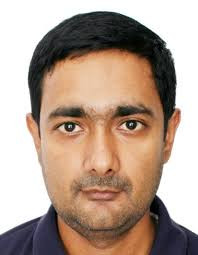
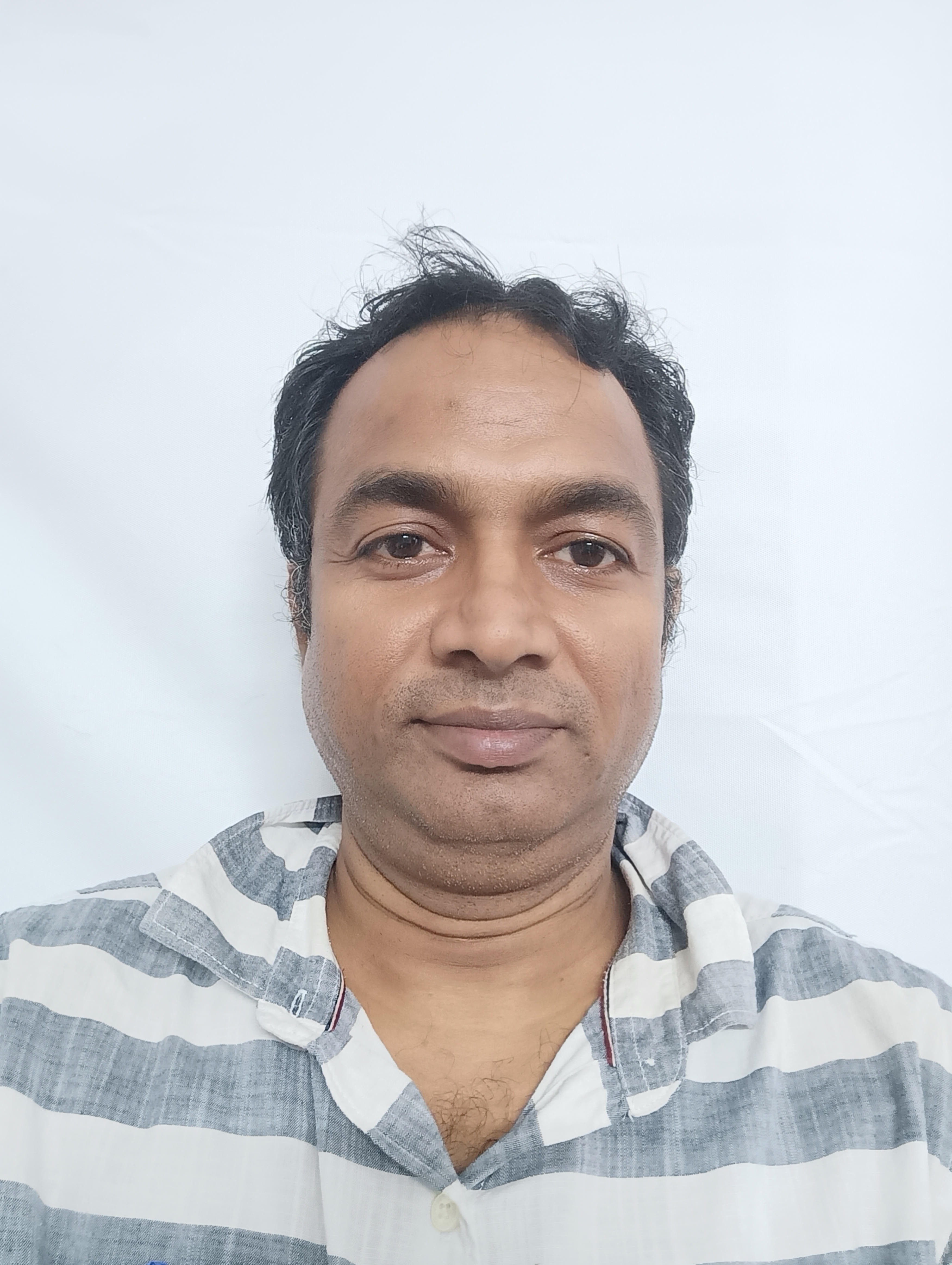


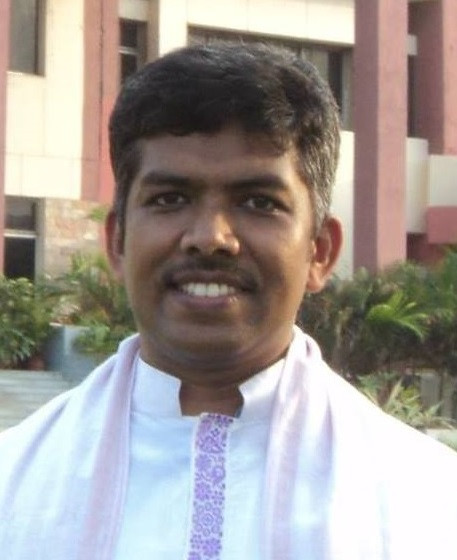
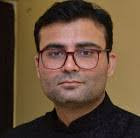

Rajesh Bargayary
Junior Technical Superintendent
rajeshbargayary@cit.ac.in

Rindao Bargayary
Junior Technical Superintendent
r.bargayary@cit.ac.in

Manoj Sarma
Junior Technical Superintendent
m.sarma@cit.ac.in
Research & Instructional Laboratories
Specialized computing, hardware, and applied engineering laboratories.
Cyber Security & Forensics Lab
Hardware testbeds, isolated penetration testing networks, and forensic imaging tools funded by MeitY.
Room CS-304 • Block 2AI & Deep Learning Studio
NVIDIA RTX-powered compute workstations for speech processing, Bodo NLP models, and computer vision.
Room CS-308 • Block 2HPC Param-Bodoland Cluster
High-performance parallel computing cluster dedicated to scientific simulations and large dataset analytics.
Server Annex • Ground FloorIoT & Embedded Systems Lab
Microcontroller development boards, sensor networks, wireless telemetry, and robotic prototyping gear.
Room CS-202 • Block 2Recent Publications
Indexed Journals•
•
•
•
•